

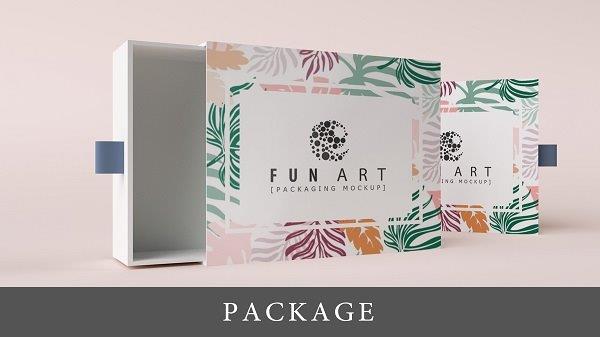
Packaging design is very important for marketing your product, but also for the brand as a whole. We can safely say that what the book of graphic standards is for the company, it is also the packaging design for the product. That is why it is very important that you devote yourself studiously to this project, and we will try to draw your attention to specific steps and what you should take into account when creating the packaging in order for the product to be noticed.
Where do we start?
If you already have a quality product that can meet market demands, then your task is to draw attention to it with design.
Before you start you should ask yourself 3 basic questions:
- What kind of product is it?
- Who is it for?
- How will you sell it?
What kind of product is it?
The question also brings a number of practical answers. What material is it made of, what are its dimensions and how sensitive is the product? Thus, you will decide whether the packaging must have additional reinforcements and protection, whether it should preserve its aroma or freshness, and whether, in general, because of the size, you should design the packaging or find a solution to secure it during transport.
Who is it for?
Define your target group . Whether the product will be bought by men, women, adults, children… The packaging should attract the ideal consumer.
Before you start the whole design process, you should know who your ideal consumers are, because your design depends on them. Should you use larger fonts to make the labels more legible for older consumers or maybe you should use bright colors to make your product appeal to children.
How will you sell it?
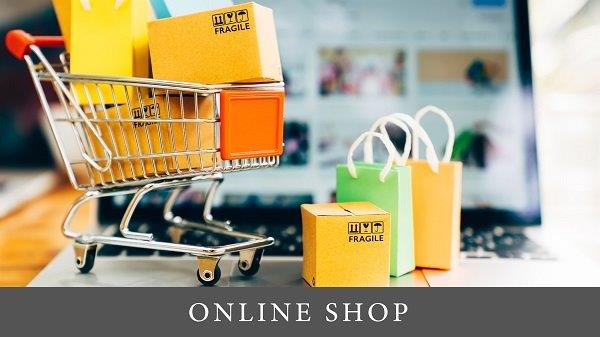
Your approach to the design process will differ if you want to market your product in hypermarkets, local and dedicated stores, or online .
The ones you will sell in hypermarkets must attract attention in a crowd of others, while the ones you sell online must have compact packaging and fit easily on top of each other. Thus, it will not take up too much space and will not move much during transport.
If your packaging should follow a specific brand aesthetic, be sure to take care of colors , typography and logo .
What should be taken into account when designing the packaging?
Apart from the fact that the packaging should attract consumers, there are also rules about what should be found on the packaging.
- Text – In addition to the name, you should also add a text that will describe the product in more detail.
You are also legally obliged to have a product declaration on the packaging. The declaration includes the name of the product, type, model, type, quantity, depending on the nature of the goods and composition, as well as the business name of the manufacturer. For imported goods, the name of the importer and the country of manufacture must be specified.
Be sure to contact the competent institutions, depending on the product, what is necessary to find from the information on the packaging.
- Images – Of course it is up to you to decide which of the images you want to be on the packaging. Of course, the packaging will look more attractive if there are more pictures, and it will be easier for consumers to decide on your product if it is clearly presented to them what it is about. It will also be useful if you use pictograms to explain the way of use, etc.
It is interesting that producers often, accidentally or intentionally, ignore the regulations on declaration, so we often come across images that mislead consumers.
For example, did you know that you can put a picture of fruit on the packaging only if it is a natural juice, and even then you have to take into account the extent to which the squeezed juice is diluted with water? The situation is similar with dairy and other food products.
- Other markings – All products in Serbia must have a barcode or QR code. Likewise, depending on the industry, especially food, cosmetic and pharmaceutical products must have an expiration date indicated on the packaging. When it comes to the use-by date, it is often unprofitable to print immediately with the packaging, so it is enough to just plan the space where the dates will be printed or imprinted.
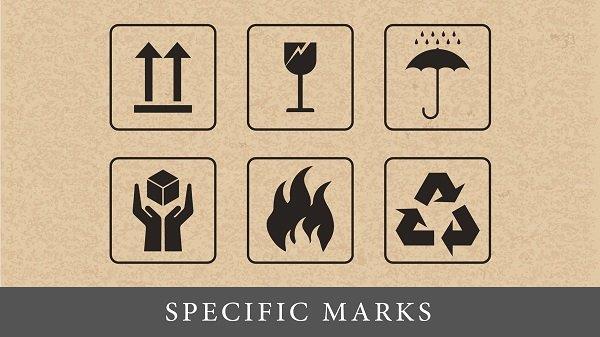
Certain products, for which this is indicated, must also have additional labels indicating whether they are easily flammable, hazardous to health, etc.
Budget?
Certainly the last thing you want is for your packaging to be more expensive than the product itself. Although the primary goal is to attract the attention of as many consumers as possible, it is also important that they recognize that the product is in their price range.
When creating the packaging, you should divide the costs into one-time and those that you will have from time to time. So, for example, design and preparation for printing will be a one-time cost, while you will pay for materials, finishing and product packaging depending on the circulation from time to time.
Finally a packaging design!
Once you have collected and planned all the above information, we come to the creative part – Design (or at least what is left of it).
It would be good if you have a certain collection of packages that you have already seen. Take into account how similar products are packaged. Although you may have a favorite color or texture, consider whether it best suits your product or target consumer group.
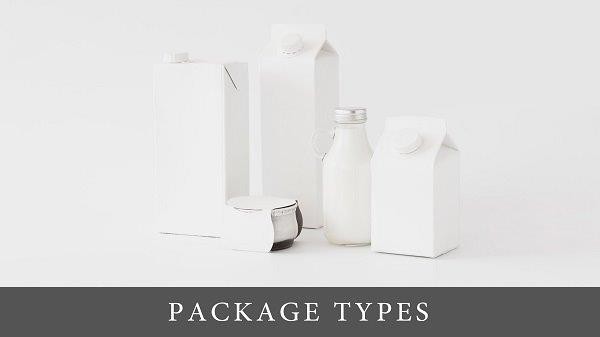
There are many different types of packaging. Whether you will design a box, bag, bottle, can, jar or label depends primarily on the product itself. Different types of packaging require different design approaches.
Did you know that Tetra Pak is not a type of packaging but a Swedish-Swiss company that innovates in food and beverage packaging?
In the end, once you have finished the packaging design, it would be good to make a prototype, that is, a test sample, before going into mass production. In addition to checking whether your product fits such packaging, you can also conduct additional research on what consumers think and possibly receive useful feedback on how to further improve it.
For more news and interesting stories from digital marketing, visit our blog page or follow our Instagram profile.

Made by Sava Spasić – Senior Graphic Designer @Digitizer
Pročitaj:


