

Social media has a huge impact on our lives today. Think about what is one of the first things you do when you get up? If you answer this question honestly, you’ll see that most of us are always checking in the morning to see what’s new on the social media we use. The psychology of social networks is definitely something that can explain many of the phenomena related to their growing popularity. They have become an indispensable part of our lives and in many ways determine how we perceive ourselves and others in social interaction. Likes are part of our self-affirmation, but also of our relationship with other members of the community.
What would happen if you were to post everything on social media?
As an experiment, programmer Rameet Chawla created a script that liked all the photos that passed through his Instagram feed. The results of this procedure are very interesting:
- The number of followers increased by about 30 per day
- He’s been invited to more parties.
- He was stopped on the street by people who recognized him from Instagram
- He received a lot of messages from friends who encouraged him to post more pictures.
The likes, comments, and messages we share on social media often seem unimportant, but they are important. They touch some of the elements that make us human: our hopes, desires, anxieties and joys.
The Psychology of Social Media
What if the psychology of social media could help us get closer to our customers, give them more than they want, and create a better connection with them?
The Biology of Social Media: Dopamine and Oxytocin
The attraction of addiction caused by social networks also has its biological basis. This is thanks to two chemicals produced by our brain: dopamine and oxytocin.
Scientists used to think that dopamine was just a pleasure hormone, but now we know that it is actually responsible for creating desire. Dopamine causes us to seek and want. The attraction of dopamine created by social networks is so strong that studies have shown that it is more difficult for people to resist tweeting than cigarettes and alcohol.
There is also oxytocin, which is often referred to as the “hug hormone”, because it is released when people kiss or hug…. Or… tweet. In 10 minutes spent on social media, oxytocin levels can rise by 13% – an increase equal to that of some people on their wedding day.
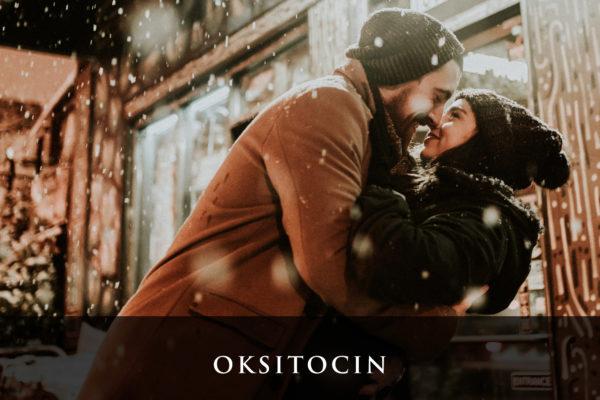
All the mood that comes from oxytocin: reduced stress levels, feelings of love, trust, empathy and generosity, also comes with social media.
As a result, social media users have shown more trust than the average internet user. The average Facebook user is 43% more likely than the average internet user to think that most people can be trusted.
So, in addition to dopamine and oxytocin, participating in social networks not only brings a lot of beautiful feelings, but also creates a constant desire for more interaction.
Activity on social networks
Let’s take a look at some of the main activities on social networks and discover what psychological mechanisms are triggered by each of them.
Why do we post content on social media?
People just like to talk about themselves or about what matters to them. They devote about 30 to 40% of their udder talking about themselves. That number rises to 80% when it comes to social media. Why is this so? A face-to-face conversation is a bit chaotic and involves emotional involvement – we don’t have time to think about what and how to say, we often have to read facial and body gestures to see the reaction of the interlocutor. Online we have time to edit and improve what we write and what we want to say. This is what psychologists call self-presentation: positioning yourself the way you want to be seen.
The feeling we get from self-presentation is so strong that by looking at our own Facebook profile, we increase our self-esteem. What is also interesting for marketers is that the most prevalent way in which we carry out self-presentation is through the things we buy or own.
The intensity of emotions that people can feel towards their favorite brands as a result is incredible. In the experiment, the volunteers were shown two images: one with a logo for the brand they love and the other with a picture of their partners or closest friends. Their physiological excitement towards the logo was as intense as the excitement of looking at the image of their closest friend.
Things, and therefore brands, are a good part of what defines us. So, it’s essential to understand what aspirations your brand awakens that your customers can identify with.
Why do we share other people’s content on social networks?
If we love to talk about ourselves so much, what is it that makes us want to share something else?

Passing on information is an urge that is deep inside us. The very thought of sharing activates our brain’s reward center, even before we do anything.
Self-presentation and strengthening relationships
First, let’s get back to the image we have of ourselves: 68% of people say they share things on social media so that others can actually get a better sense of who they really are and what they care about most. However, the biggest reason we share content on social media is because of other people. 78% of people say they share things because it helps them stay connected with people.
When we share a good attitude, we get social validation of our activity. 62% of people say they feel better when people respond positively to what they post on social media.
Facebook, with more than 2 billion monthly active users, is a great example of a platform where people like to like. In fact, since Facebook implemented the like button, it has been used more than 1.13 trillion times, and that number is increasing day by day.
We’re doing this because we want to maintain relationships. When we like each other’s posts, we add value to each other’s relationship and enhance closeness.
Why do we like on social networks?
This is how we create the effect of reciprocity. We feel obligated to give back to the people who have given us something. One sociologist sent 600 Christmas cards to complete strangers. Interestingly, he received as many as 200 responses back. That’s the power of reciprocity.
We notice a similar phenomenon on Instagram. Whenever you receive a like or comment, you’ll probably feel the need to reciprocate with an interaction.
Most people believe that talking to customers is very important. Engagement and as much interaction as possible is what builds long-term trust.
That’s why it’s surprising to find that users don’t feel the same way. A survey of more than 7,000 consumers found that only 23% of them said they had a connection with a brand. Of those who did, only 13% cited frequent interactions with the brand as a reason for the connection. Consumers say shared values are a much bigger driver of relationships.
Why do we comment?
That doesn’t mean that comments don’t have power. In fact, they can be very useful. There is a phenomenon in which our entire experience is influenced by whether and how we share it with others. 85% of us believe that reading other people’s answers on a topic helps us understand and process information and events. This means that comments have the power to influence our thinking.
Essentially, every comment about you, anywhere online, is a reflection of who you are to the consumer. It’s the way the consumer’s brain works.
So far, we’ve only scratched the surface of what’s interesting and unique about social media. Let’s dive deeper into some intriguing phenomena for traders.
The phenomenon of social networks: selfies, emoticons and nostalgia
Throughout history, portraits have been a matter of status and have influenced the way our image is perceived.
The psychological concept says that we can never truly see ourselves – we need the reflection of the other to understand who we are.
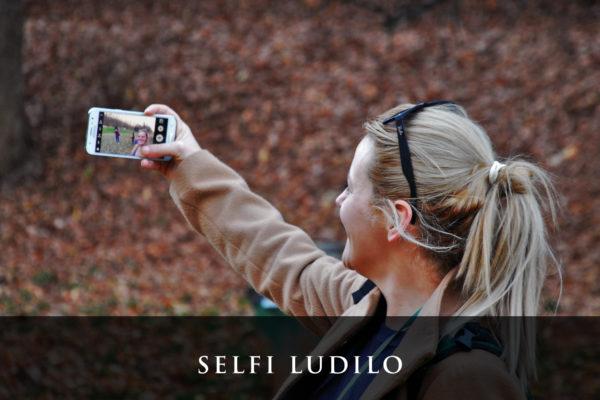
Selfies are so popular because we pay more attention to our faces than anything else.
A profile picture is the first place that catches the eye on Facebook and other social networking sites.
Selfie madness
On Instagram, images with human faces are 38% more likely to get likes and 32% more likely to attract comments.
Eye tracking studies show that online, we track the eyes of the people we see on the screen.
Looking at faces can also create empathy. In the experiment, photos of patients’ faces were added to doctors’ files and it was found that the photos of the patients improved the way the patients were treated.
For brands, there are many ways to harness the power of selfies.
Most of us are not aware of this, but we imitate the expressions of others when talking. It’s an “emotional contagion,” and this is an important way we build connection.
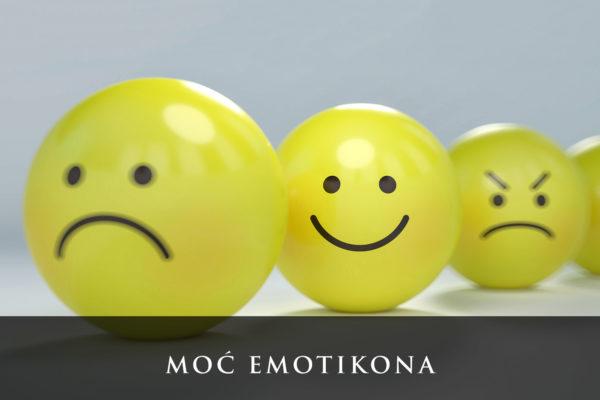
Online, we create that crucial element of empathy by using emojis.
10 billion emojis are sent around the world every day.
The Power of Emojis
There is a strong connection between the use of emojis and the power of social media.
A five-year analysis in social media has shown that emojis are a common factor among influential and popular social networks.
A study in which participants spoke online with different types of experts found that participants rated experts as friendlier and more competent when they used emojis in their communication.
There are many fun ways to incorporate emojis into marketing campaigns. Brands such as Ikea, Coca-Cola, Burger King have even created their own branded emojis for their fans.
Experts believe that users see them in a truly unique way – as self-expression, not advertising.
Social networks and nostalgia
Sometimes social media – and life – moves so fast that we want things to slow down.
This is where nostalgia comes in, and this longing for the past can be an amazing strategy for modern social media marketing. Nostalgia is universal in all cultures and gives us a sense of social connection, a sense of love and protection.
This feeling makes us think differently about money. When people are asked to reflect on the past, they are more likely to give money to others and are willing to pay more for products.
It seems that nowadays nostalgia is more cut than ever. You don’t have to have hundreds of years of history to use nostalgia in marketing. All you need is a period of time that your target market will be nostalgic for.
By looking at the analytics and demographics of social networks, we can determine which period should be emphasized in the creation of content for social networks.
The character of social networks: light and dark side
If we are going to talk about the psychology of social networks, we cannot ignore studies on their negative impacts. Some say that they make us more lonely, isolated, depressed.
And the science behind it is very real – but social media doesn’t change us by itself. They are just an extension of our pre-existing tendencies.
We all have a tendency to judge our worth by comparing ourselves to others.
This can lead to feelings of insecurity – especially on Facebook, where we share our best news, constantly comparing ourselves to a host of other similar content.
Social media can also bring us together. If you’ve ever shared information about a loss or personal challenge on social media, you may have experienced the strong support that can come from friends and even those you may not have expected it from. When we feel insecure, turning to Facebook offers more comfort than any other kind of self-affirmation. Spending time on social media is associated with virtual empathy, which is transferred to the real world.
Za još vesti i interesantnih priča iz digitalnog marketinga posetite našu blog stranu ili zapratite naš Instagram profil.

Made by Andrej Jovanović – Account Manager @Digitizer
Nebojša Radovanović – SEO Expert @Digitizer
Pročitaj:


