
What are your biggest fears? Sometimes it’s just embarrassing for a person to admit some of his fears that are quite irrational and unfounded. That’s why we don’t insist on an answer. However, think for yourself how fear affects your behavior and what reactions certain fears cause? Fear is a natural, powerful and basic human emotion. It involves a universal biochemical as well as a strong individual emotional response. It compels action, so it’s no surprise that fear is used in marketing. Fear in marketing can be a motivator to take action, but it can also backfire if not used properly. It could position your brand in an unfavorable light.
Almost every purchase we make is based not only on need, but also on emotion. The psychology of pleasure and pain can explain much of our shopping behavior. Fear is one of the marketing tactics you will often see used in ad campaigns. But does fear really work or does it just scare people?
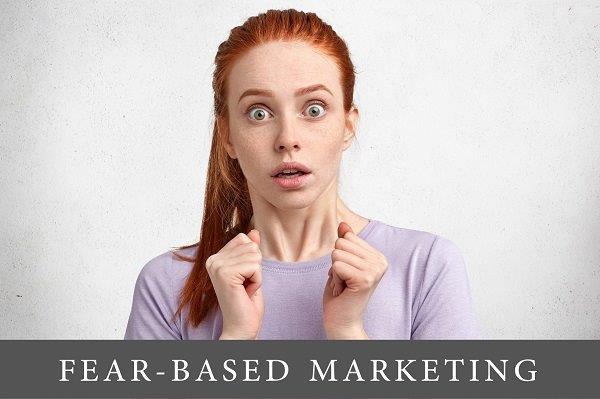
Fear based marketing
Fear-based marketing can be defined as using consumers’ fears to motivate them to buy a product or take a specific action. Advertising has long understood that emotions sell. Messages that can hit a certain emotional button will drive the desired action much more easily than a message that is neutral. People want experiences that bring pleasure or reward. They want to avoid experiences that bring pain. It is a concept based on psychological research.
- Fear of missing out
- fear of losing something
- fear of a potential future threat
They are most often used in fear-based advertising messages. You must use fear in a way that produces results without compromising your integrity. You have to really know your audience, their situation and what they face in life. This means that if you don’t get the reader’s attention with a problem, no matter how many benefits you offer, your ad will be ignored.
They have big eyes in fear
We buy with emotions, and justify with logic. Make the threat certain and vivid. Basically, a persuasive message relies on the presence of three elements:
- the threat must be moderate to high
- the reader must feel that he is personally in danger
- the reader should believe that preventive action is simple
And you offer a solution
After highlighting the threat and showing the reader that they are in danger, your offer is the final piece of the puzzle. Your prospect needs to believe that your product or service can prevent a threat. One way to do this is to position your offering as very different from:
- of what they are doing today that puts them in danger and
- products they have tried in the past
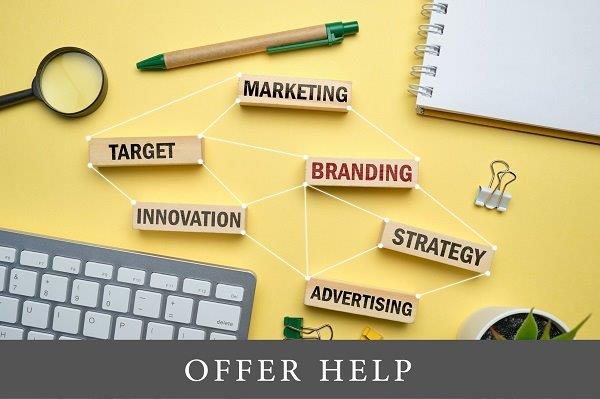
The bottom line is to offer something that is different and that offers a solution and reduces fear. Offer your target audience a reason why and what they can do to eliminate fear. The type of “scare” tactics we focus on are those that cause someone to think they need the product or service you’re selling because otherwise something bad will happen.
What about ethics?
A question that very often accompanies the discussion of the use of fear-based marketing is the question of ethics. One concern is that using these fear-based tactics, in which the risk or dangerous outcomes are exaggerated, can lead audiences to believe they are in more danger than they really are.
Although the effects of fear-based marketing on mentally healthy individuals are temporary and minimal, these messages can have a more serious, lasting impact on individuals struggling with mental health issues, such as anxiety disorder.
It is not an easy decision to make regarding whether the use of fear-based marketing is ethical or not. Some argue that intense emotions such as fear should not be used for corporate profit. On the other hand, those who use “happiness” to persuade an audience to act can be said to be doing the same thing as those who use fear, just at the other end of the spectrum.
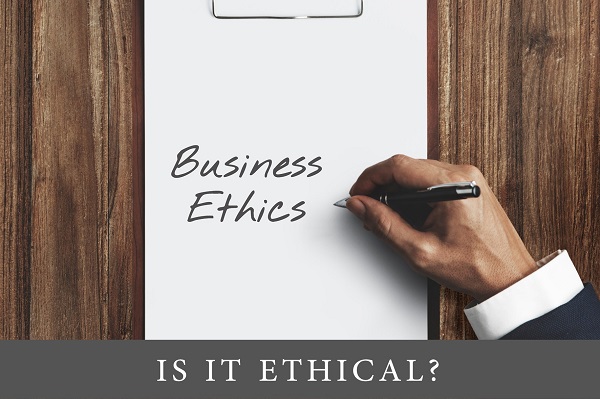
Advertisers should keep in mind that they must be objective when sending warning messages about potential threats. To some extent, fear-based marketing should not be a fabrication or a deliberate distortion of information to profit from the fear and confusion of others.
However, if you decide to use fear marketing tactics, approach the whole thing carefully and be careful not to overdo it and let the whole idea backfire on you like a boomerang.
For more news and interesting stories from digital marketing, visit our blog page or follow our Instagram profile.
Made by Nebojša Radovanović – SEO Expert @Digitizer
Pročitaj: