
For graphic design it is very important that your solutions are creative and innovative, without exaggerating and confusing the consumers you are designing for, you may have heard the term ” overdesign “. That is why it is necessary to follow certain rules and use techniques that will make your design look even more attractive.
Techniques you can use to improve your design
In addition to the basic principles of design, such as the selection of images , colors and typography , as well as setting up a visual hierarchy or alignment , there are some other techniques that will further improve your design skills.
Contrast
Whether it’s digital or print media, one of the most effective techniques is to set the right amount of contrast in the design. Contrast draws the eye to a specific area and thus helps users focus on important details.

It also creates plans creating the effect of depth but also visually separates the graphic elements in your design.
Balance
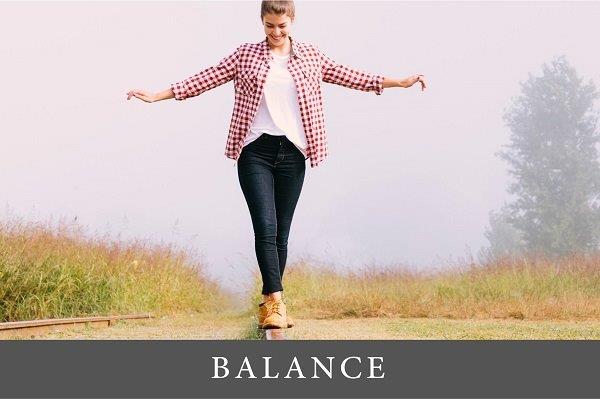
You’ve probably already caught yourself reflexively tilting your head to the side when looking at a design to ease your viewing angle. This is not necessarily wrong, but it is important that you use such graphic solutions in certain situations.
For everything else, try to balance your design as one of the basic techniques. Left or right alignment can create oversaturation and tension. That’s why graphic solutions generally work best when elements are centered or by placing approximately the same amount of detail on the left and right sides as on the top or bottom of the format.
More experienced designers often use some of the more advanced composition rules. Less obvious and more subtle ways of balancing are usually much more effective.
Diagonals
Most formats in graphic design are square or rectangular, so the solutions themselves are managed accordingly. In order to add dynamism and deviate from this classic form, try using diagonal lines within the composition.

This technique doesn’t just involve simply adding lines, but try to use angles by combining them with text, images or shapes.
Plans or layers
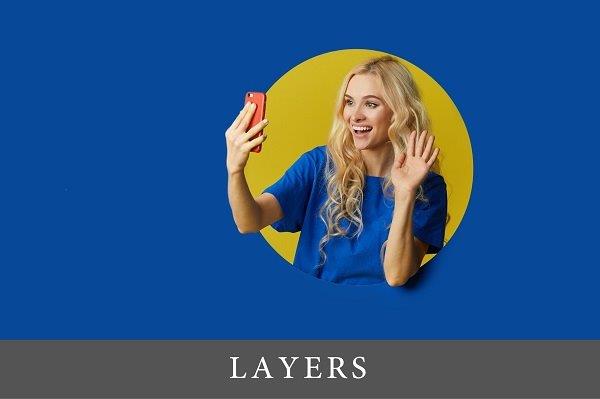
Simulating depth in design is very important because graphic solutions are mostly two-dimensional. You can make your design significantly more attractive and exciting by creating a 3D illusion for the viewer.
On the other hand, reducing the contrast makes the image “flatter” and gives it a more uniform tone, thus opening up space for adding new graphic elements.
The same applies if you want to lighten or darken the entire image.
Filters
First of all, we should thank Instagram for popularizing this technique. Filters are mainly used to add special or artistic effects, as well as to correct certain flaws in your photos.
Filters are mainly used on special occasions when the design dictates it or you want to shorten the photo processing process.

The technique includes combining between layers, inserting light and shadow, experimenting with graphic elements emerging from the borders of formats or frames, as well as blurring the background and elements from the background.
Harmony
Repetition of colors or graphic elements, that is, the use of patterns can help achieve unity and harmony in the composition.

Also repeating shapes of different dimensions or colors can help establish patterns which can make your design even more attractive.
Text formatting also helps create harmony. With text, you can establish a visual hierarchy so that the viewer can connect pieces of text within the design that relate to the same thing or theme.
These are just some of the techniques within design theory that we believe can make your graphic solutions extra attractive to onlookers. To use a sporting term, they make a difference. Consider that design trends are constantly changing and that designers often experiment with new techniques that later turn into rules.
For more news and interesting stories from digital marketing, visit our blog page or follow our Instagram profile.
Made by Sava Spasić – Senior Graphic Designer @Digitizer
Pročitaj:


